
Sidelink: Direct Device-to-Device Communication in 5G
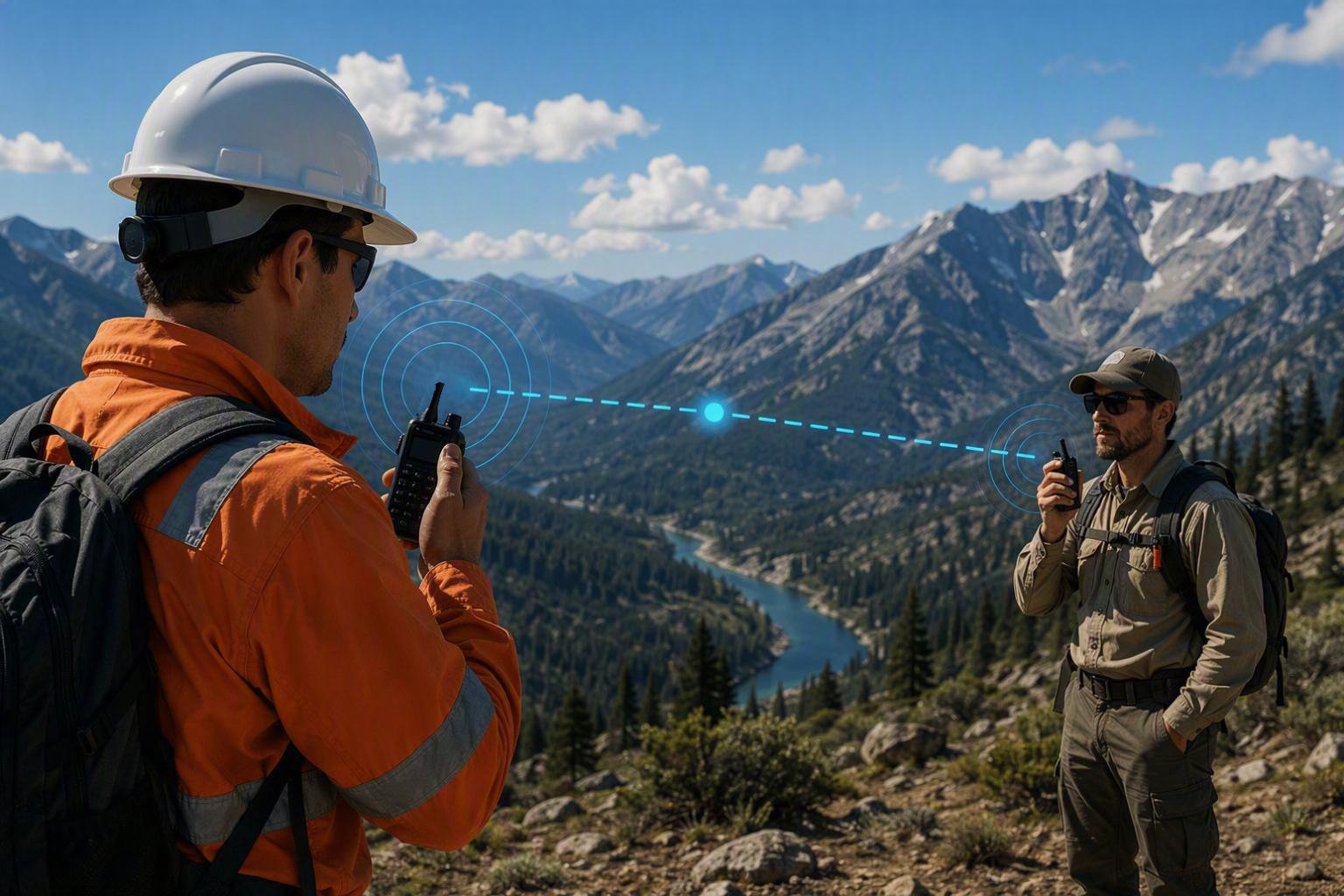
Sidelink is a 3GPP-standardized capability that lets compatible devices communicate directly with each other, also known as device-to-device (D2D) communication, using the PC5 interface. Unlike traditional cellular communication that depends on a base station or network connection, sidelink can support direct communication when network coverage is limited, unavailable, or overloaded.
For public safety agencies, industrial workers, and enterprises in critical environments, sidelink helps create more reliable and flexible connectivity. It supports direct communication, relay-based coverage extension, enhanced positioning, and mission-critical services so teams can stay aware and connected when traditional networks are unavailable, damaged, or congested.
UNDERSTANDING THE BASICS
What Is Sidelink?
Sidelink is a cellular communication capability that lets compatible devices communicate directly with each other, instead of requiring every connection to pass through traditional cellular infrastructure. Depending on how the devices and network are configured, sidelink can help support communication when cellular infrastructure is not available, limited, and overloaded, making it especially valuable for emergency response, remote operations, and critical communications.
In 5G, sidelink is commonly associated with the PC5 interface, which enables direct device-to-device communication between compatible devices without depending entirely on a cellular network connection.
This makes sidelink especially important for environments where conventional network coverage may not always be available, such as:
- Emergency response zones
- Buildings with poor indoor coverage
- Remote work sites
- Industrial facilities
- Transportation corridors
HOW DIRECT COMMUNICATION WORKS
How Does Sidelink Work?
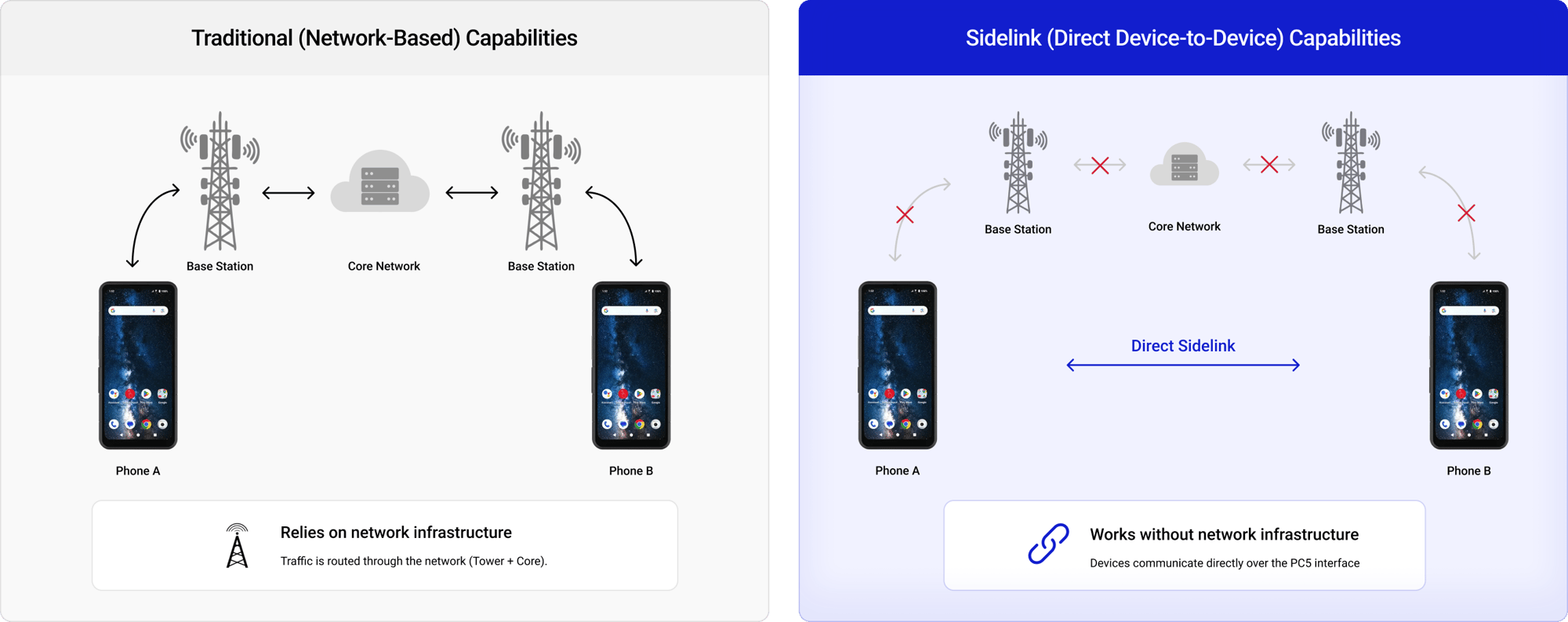
Traditional cellular communication usually sends device traffic through a cell tower or base station. Sidelink creates another communication path by allowing compatible devices to communicate directly through the PC5 interface.
This means sidelink can support communication in different operating conditions, including:
- In coverage: Devices communicate directly while still operating within a network coverage area.
- Partial coverage: Devices may use sidelink to extend communication where network access is inconsistent.
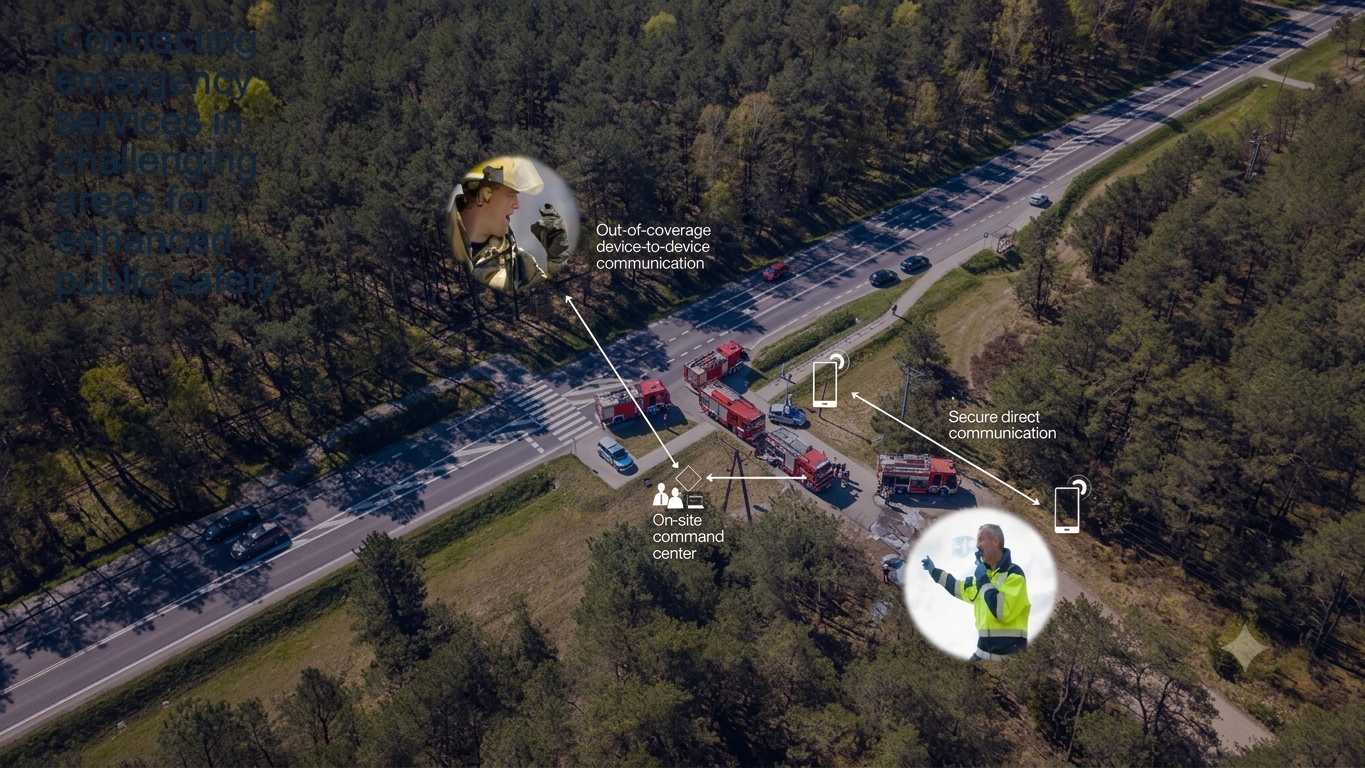
- Out of coverage: Devices may communicate directly in supported scenarios when traditional network infrastructure is unavailable.
Modern 5G sidelink also supports distributed operation, which means devices can help manage communication resources without relying entirely on centralized network infrastructure. This enables more flexible, self-organizing communications that can continue working in challenging environments.
WHY THIS TECHNOLOGY MATTERS
Why Sidelink Matters for Mission-Critical Connectivity?
01
Direct Communication When Infrastructure Is Limited
Enable compatible nearby devices to exchange information directly over the PC5 interface, reducing reliance on towers, Wi-Fi, or other fixed infrastructure when cellular resources are limited, congested, or unavailable.
02
Greater Resilience for Mission-Critical Operations
Help public safety, utility, industrial, and frontline teams maintain communications during emergencies, disaster response, remote operations, or high-traffic events where traditional networks may be disrupted.
03
Faster Local Data Exchange and Situational Awareness
Support low-latency sharing of voice, data, video, positioning, and status information between nearby devices so teams can coordinate more quickly in the field.
BUILT FOR THE FIELD
Why Rugged Devices Matter for Sidelink-Enabled Communication?
Sidelink is only as useful as the devices that support it in the field. For public safety, enterprise, and industrial environments, devices must be built for real-world conditions—not just ideal lab environments.
That is where rugged mobility matters. Sonim rugged devices are built for frontline and mission-critical environments where durability, reliability, and usability matter. As sidelink continues to evolve, rugged devices will play an important role in helping organizations bring direct communication capabilities into real-world operations.
Teams using sidelink-capable solutions may need devices that can withstand

Underground / Subterranean environments

Drops, water, vibration, and impacts

Dust or smoke-filled buildings

Extreme temperatures

Extended operations

Gloved operations

Industrial Facilities

High-pressure environments
As sidelink evolves to support positioning, relay functionality, mission-critical communications, wearables, IoT devices, and AI-assisted situational awareness, rugged hardware becomes a foundational component of successful deployment.
THE ROLE OF 5G
What Is Sidelink in 5G?
In 5G, sidelink strengthens device-to-device communication by enabling compatible devices to connect directly through the PC5 interface. This expands its value across public safety, automotive, IoT, industrial, edge, and mission-critical environments by complementing traditional network-to-device communication.
5G sidelink is especially important for use cases that require:
-
Low latency
-
High reliability
-
Localized communication
-
Coverage extension
-
Direct communication between nearby devices
-
Flexible deployment models
Compared to LTE sidelink, 5G NR sidelink improves latency, bandwidth, reliability, positioning, multicast communication, relay capabilities, and quality-of-service support. These enhancements make sidelink more practical for advanced enterprise, public safety, and mission-critical communication use cases.
3GPP Release 16 marked a key milestone for 5G NR sidelink, expanding support for NR-V2X, or 5G New Radio Vehicle-to-Everything communication, mission-critical services, industrial communication, and broader 5G system capabilities. This helped move sidelink from an emerging standard toward more advanced real-world deployment scenarios.
DIRECT COMMUNICATION INTERFACE
What Is the PC5 Interface?
PC5 is the interface that enables direct device-to-device communication in sidelink scenarios. Instead of routing every connection through the cellular network, PC5 allows compatible devices to communicate directly when supported by the device, chipset, network configuration, and use case.
In 5G systems, sidelink communication over the PC5 interface complements traditional network-to-device communication over the Uu interface, which is the standard connection between a device and the cellular network. Together, these communication paths give organizations more resilient, flexible, and direct connectivity options.
Where Sidelink Can Make the Biggest Impact?

Public Safety and First Responders
Enable direct communication between first responders in areas where network coverage is unavailable or unreliable.
Mission-Critical Push-to-Talk and Field Communication
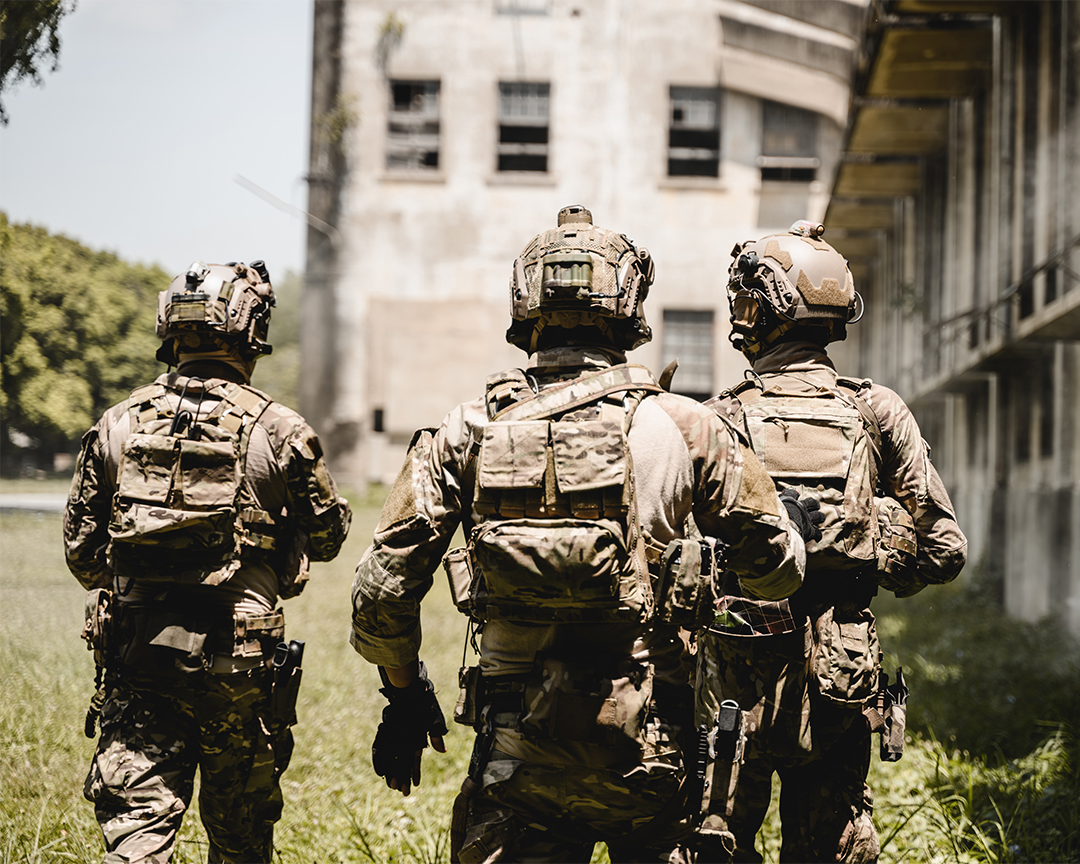
Support interoperable mission-critical push-to-talk, data, and multimedia communications between devices, even when operating off-network.
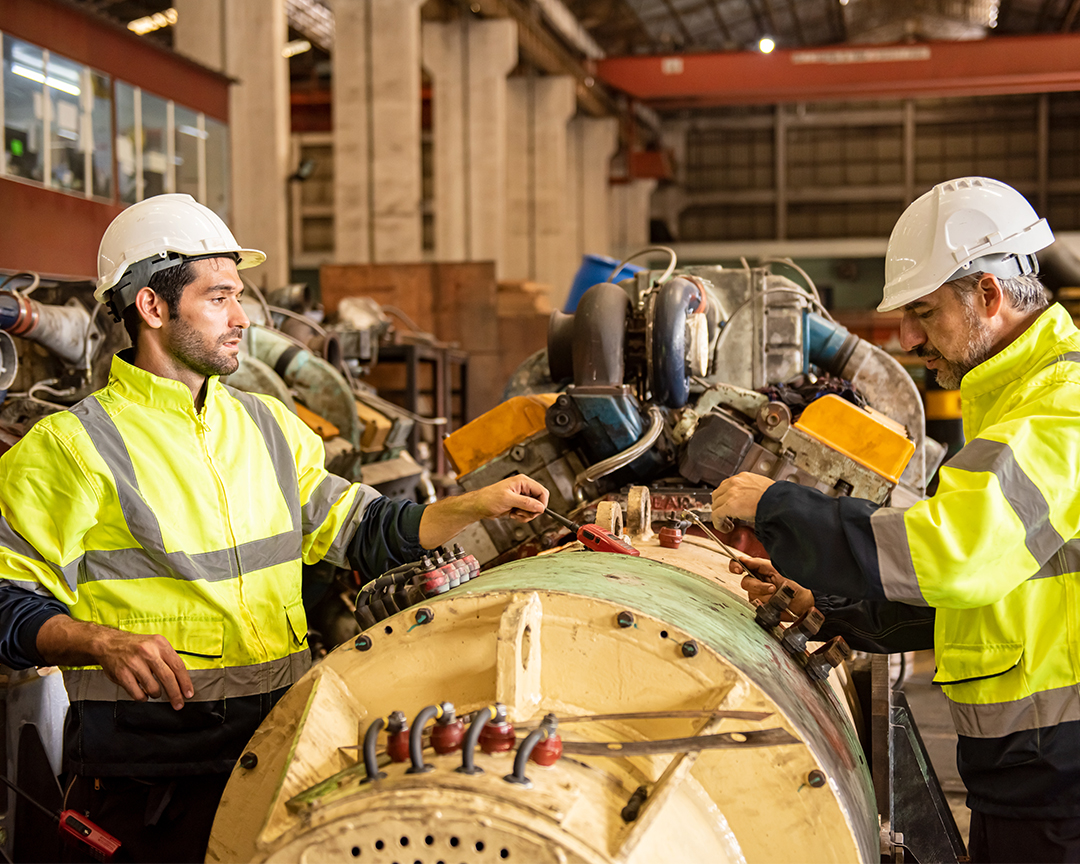
Industrial and Enterprise Operations
Support seamless communication across large facilities where network coverage may be inconsistent or limited.
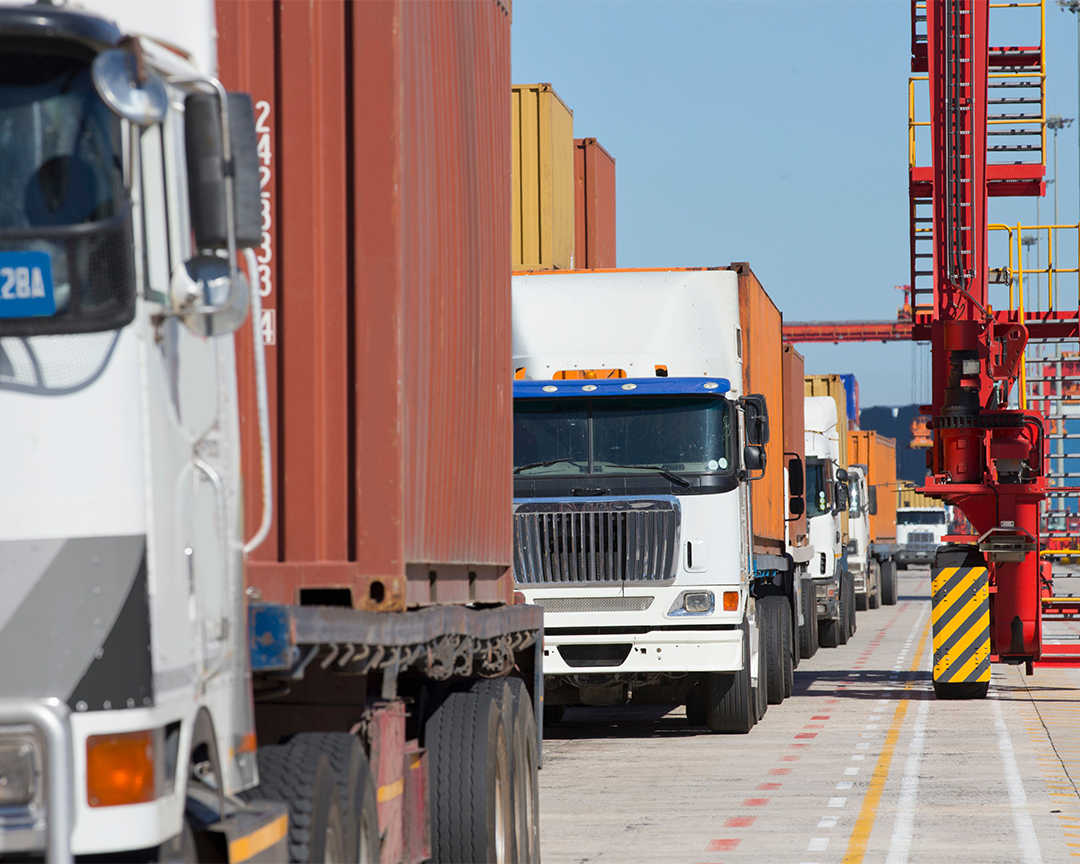
Transportation and Connected Mobility
Allow vehicles and nearby devices to exchange data directly to improve coordination and situational awareness.
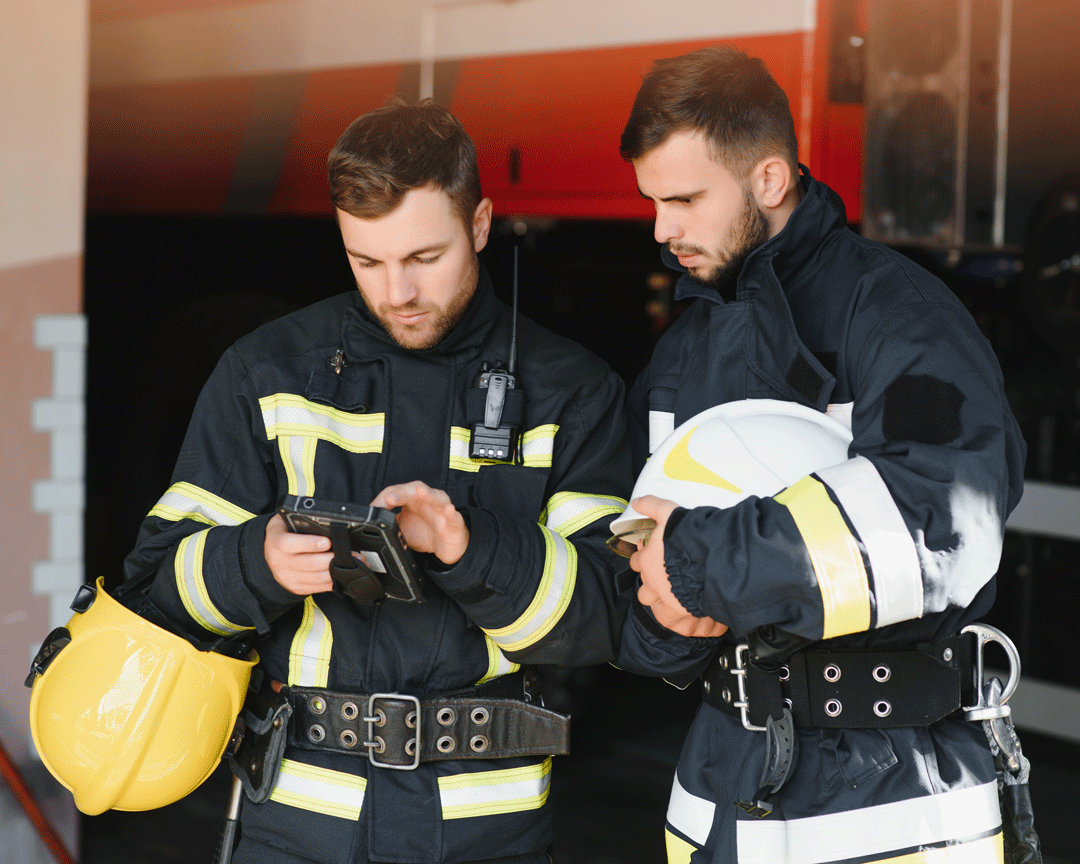
Coverage Extension and Network Resilience
Extend communication beyond traditional network boundaries through direct device-to-device connectivity.

Disaster Recovery
Maintain device-to-device communication in areas where network infrastructure is damaged or completely unavailable.
FROM CONCEPT TO DEPLOYMENT
From Standard to Deployment: NEXA’s Role in the Sidelink Future
Sidelink moves from standards to real-world impact when it is integrated into mission-ready devices, validated in the field, and supported by the right ecosystem. NEXA helps make that transition possible through a modular architecture designed for rapid, scalable deployment.
Working alongside Qualcomm, Google, and Sonim, NEXA brings together the technologies, platforms, and rugged mobility expertise needed to validate, integrate, and operationalize sidelink at scale.
For enterprises, public safety agencies, government organizations, and carriers exploring sidelink-enabled mobility, success requires more than understanding the standard. It requires certified devices, ecosystem collaboration, deployment planning, lifecycle support, and field-ready implementation that can perform in constrained environments, congested networks, and areas beyond reliable coverage.
NEXA supports sidelink readiness by helping organizations align:

Modular device architecture for scalable sidelink deployment

Certified, mission-ready handhelds, tablets, wearables, and other rugged mobility platforms

Carrier, chipset, Android, and rugged device ecosystem collaboration

Field validation and early demonstration planning with partners such as Qualcomm

Deployment strategy for coverage gaps, network congestion, and constrained environments
Security, lifecycle management, and operational support for enterprise and government use cases
Integration of sidelink capabilities into purpose-built mobility solutions without requiring specialized hardware for every deployment scenario
WHY NOW
Why Sidelink Matters Now?
Sidelink is gaining attention as organizations rethink reliable connectivity for mission-critical environments. Traditional networks remain essential, but teams also need more resilience, flexibility, and direct communication when coverage is limited, congested, or unavailable.
Public safety organizations, enterprises, industrial teams, and mobility providers are looking for ways to keep people, devices, and operations connected in more places and under more challenging conditions.
As critical communications and 5G direct-mode technology continue to advance, sidelink is becoming an important part of the conversation around public safety, enterprise mobility, and network resilience.
For organizations planning the future of mobility, sidelink offers a path beyond traditional coverage toward a more flexible communication model.
GETTING STARTED
What Organizations Should Consider Before Sidelink Deployment?
Sidelink is not a plug-and-play concept for every organization today. It requires planning across devices, networks, applications, policy, and operational workflows.
01 Which teams need direct communication?
02 Where do coverage gaps happen today?
03 What devices are currently used in the field?
04 Are rugged devices required?
05 What deployment model is needed?
06 What carrier or network requirements apply?
07 What security policies need to be considered?
08 What applications need to work in direct communication scenarios?
09 What support and lifecycle management will be required?
FAQ
Frequently Asked Questions About Sidelink
Sidelink is a cellular communication capability that allows compatible devices to communicate directly with each other instead of relying entirely on traditional network infrastructure. It is often described as device-to-device communication and is associated with the PC5 interface in 5G systems.
In 5G, sidelink enables direct communication between compatible devices and can support use cases such as public safety, V2X, industrial operations, and mission-critical communication. Qualcomm describes sidelink as a core topology of the 5G system design that complements traditional network-to-device communication.
Sidelink can support direct communication between devices and may operate in different coverage scenarios depending on configuration, including in coverage and out of coverage. NIST public safety communication materials describe sidelink as supporting direct data links between devices and note that sidelink can be configured for in-coverage or out-of-coverage operation.
PC5 is the interface used for direct communication between devices in sidelink scenarios. Qualcomm describes device-to-device sidelink communication as operating over the PC5 interface, compared with traditional network-to-device communication over the Uu interface.
LTE sidelink introduced earlier direct device-to-device communication capabilities, while 5G NR sidelink expands the concept for more advanced use cases such as V2X, public safety, and mission-critical communication. NIST materials note that sidelink was introduced in LTE Release 12 and NR sidelink in Release 16.
Sidelink is important for public safety because it can help first responders maintain direct communication when cellular coverage is limited, unavailable, or overloaded. This can be especially valuable in challenging environments such as reinforced buildings, underground areas, remote response zones, and other locations where traditional network access may be unreliable.
Organizations with mission-critical communication needs may benefit from sidelink, including public safety agencies, utilities, transportation organizations, industrial teams, logistics operations, and enterprises with field-based workers.
Yes. Modern sidelink standards support relay-based coverage extension that can help devices communicate beyond normal cellular coverage boundaries. Depending on the deployment, relay devices can help deliver connectivity into remote areas, buildings, disaster zones, and other difficult-to-reach locations.
Yes. Sidelink can support enhanced positioning capabilities, including improved indoor and GPS-challenged location awareness, cooperative positioning, and support for X-, Y-, and Z-axis location tracking.
3GPP sidelink standards include security mechanisms such as device authentication, end-to-end protection, discovery message protection, relaying security enhancements, and privacy controls designed to support critical communications deployments.
Whether you are evaluating coverage gaps, planning for resilient field communications, or exploring how sidelink can support future mobility strategies, NEXA can help you move from concept to operational readiness with certified platforms, rugged mobility expertise, and deployment support built for real-world environments.
Prepare for Mission-Critical Connectivity Beyond Network Limits
Mission-critical operations do not stop when coverage becomes weak, congested, or unavailable. As 5G sidelink evolves, organizations have an opportunity to rethink how teams, devices, and assets stay connected in the field—from direct device-to-device communication and real-time team coordination to dynamic coverage extension in structures, underground areas, dense terrain, and other constrained environments.
NEXA helps bring sidelink from standard to scalable deployment by combining mission-ready devices, modular architecture, ecosystem collaboration, and field validation. Working alongside Qualcomm, Google, and Sonim, NEXA supports the integration and operationalization of advanced wireless capabilities for government, public safety, enterprise, and carrier use cases.