
What is an Android Dedicated Device?
An Android-dedicated device is a purpose-built mobile solution configured exclusively for enterprise operations. Unlike Consumer-grade devices that blur personal and professional boundaries, dedicated Android devices run locked-down, single-purpose applications optimized for specific business functions. This strategic approach to enterprise mobility reduces operational overhead while strengthening security posture and enabling centralized device management.
Why Dedicated Devices Matter in Enterprise Mobility
The shift toward dedicated Android devices addresses fundamental limitations inherent in Consumer-grade mobility strategies. When your workforce relies on personal devices, you inherit every vulnerability, distraction, and compliance burden that comes with uncontrolled hardware and software environments.
Dedicated Android devices address this by:
-
Eliminating security blind spots through containerization and single-app environments that reduce attack surfaces by 80%+
-
Streamlining mobile device management across your entire fleet with centralized configuration, deployment, and lifecycle management
-
Enforcing industry‑specific compliance requirements through automated device policies and secure configurations.
-
Reducing total cost of ownership through decreased IT support overhead, fewer security incidents, and lower operational complexity
-
Accelerating employee productivity by removing friction from critical workflows and app-switching overhead
How to Determine If Dedicated Android Devices Fit Your Enterprise
Enterprise decision-makers should evaluate these criteria, not only for traditional mobility programs but also for emerging products, services, and innovations that rely on a reliable, purpose-built mobile device as part of their core experience.
1. Task specificity: Does your workforce or the product or service you’re building depend on a device to perform consistent, mobile‑driven operations such as transactions, diagnostics, automated data capture, or serving as a gateway for specialized hardware
2. Compliance sensitivity: Does your industry require regulated data handling, audit trails, restricted access controls, or secure communication channels, especially where sensitive or mission‑critical information is involved?
3. Scale of deployment: Are you planning to deploy devices as part of a product or service that needs to scale across multiple markets or countries?
4. Security posture: Does your current mobility infrastructure expose you to consumer device vulnerabilities, inconsistent patching, or data residency risks, particularly in scenarios where uninterrupted, controlled device behavior is essential?
5. Cost constraints: Would reducing IT support overhead, downtime, and device variability justify investment in dedicated devices, particularly when those devices can be supported and maintained over a 5+ year lifecycle?
6. Innovation enablement: Is the device a foundational component of a product, service, or solution you are building, such as acting as a gateway, interface, or control point for specialized hardware, sensors, or connected systems?
If three or more apply to your organization, dedicated Android devices warrant a formal evaluation.
Top Use Cases by Industry
Retail & Point of Sale Operations

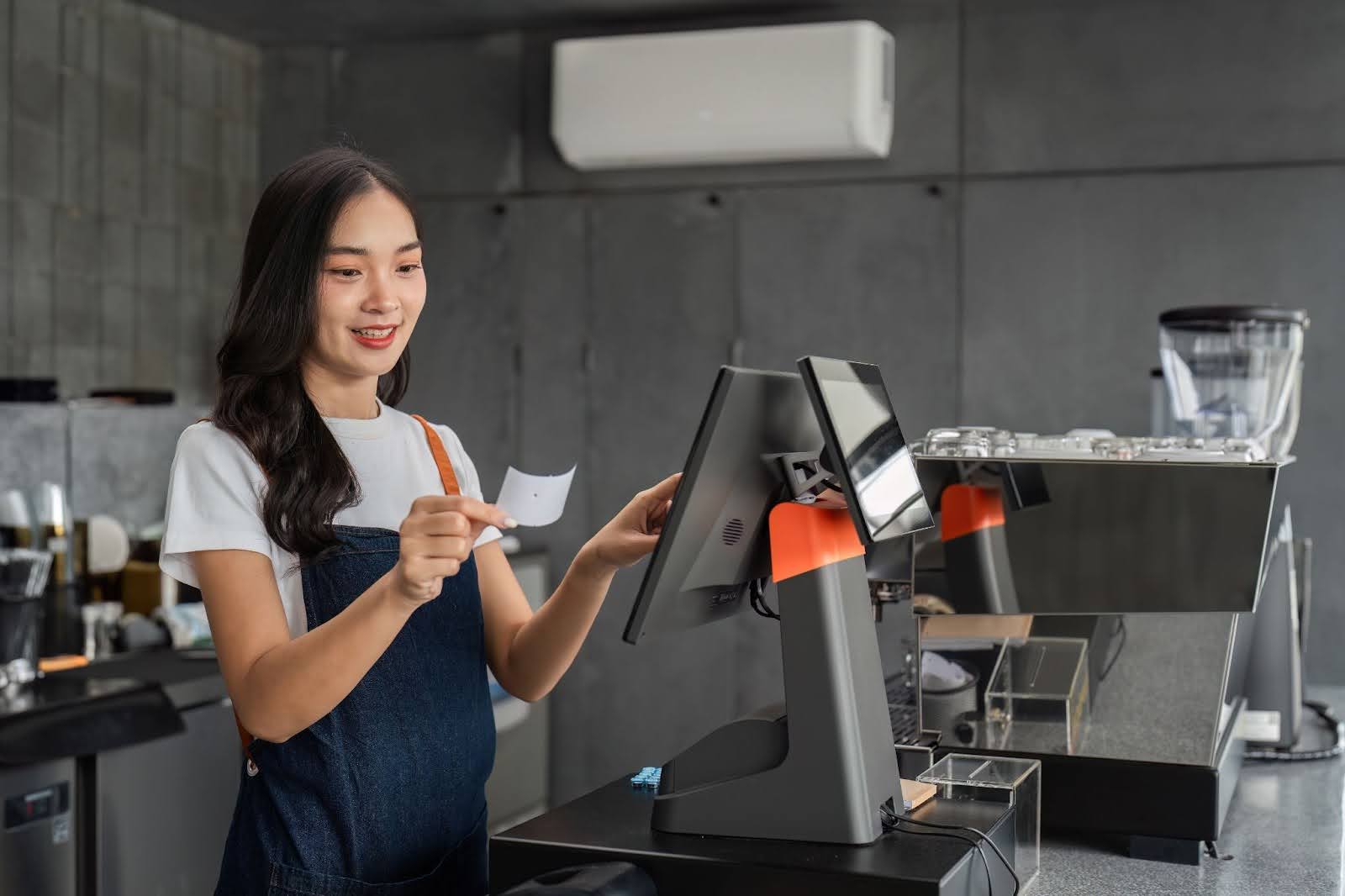
Modern retail demands speed, accuracy, and security at checkout. Dedicated Android tablets lock your POS software into a secure, dedicated environment while preventing employees from accessing personal apps during transactions. This approach also simplifies inventory management, loss prevention, and real-time analytics.
Use cases: Mobile Point-of-Sale (POS), handheld checkout, inventory management, self-checkout kiosk, queue busting, order fulfillment, real-time inventory management, warehouse management, quality control, customer feedback collection, associate mobile device, multi-site and omnichannel store management, in-store signage, product showcase, and demo.
Forward-thinking retailers are also pairing dedicated devices with custom solutions to build applications that differentiate their customer experience. Learn more about retail mobility solutions.
Healthcare: EHR, Medication Management
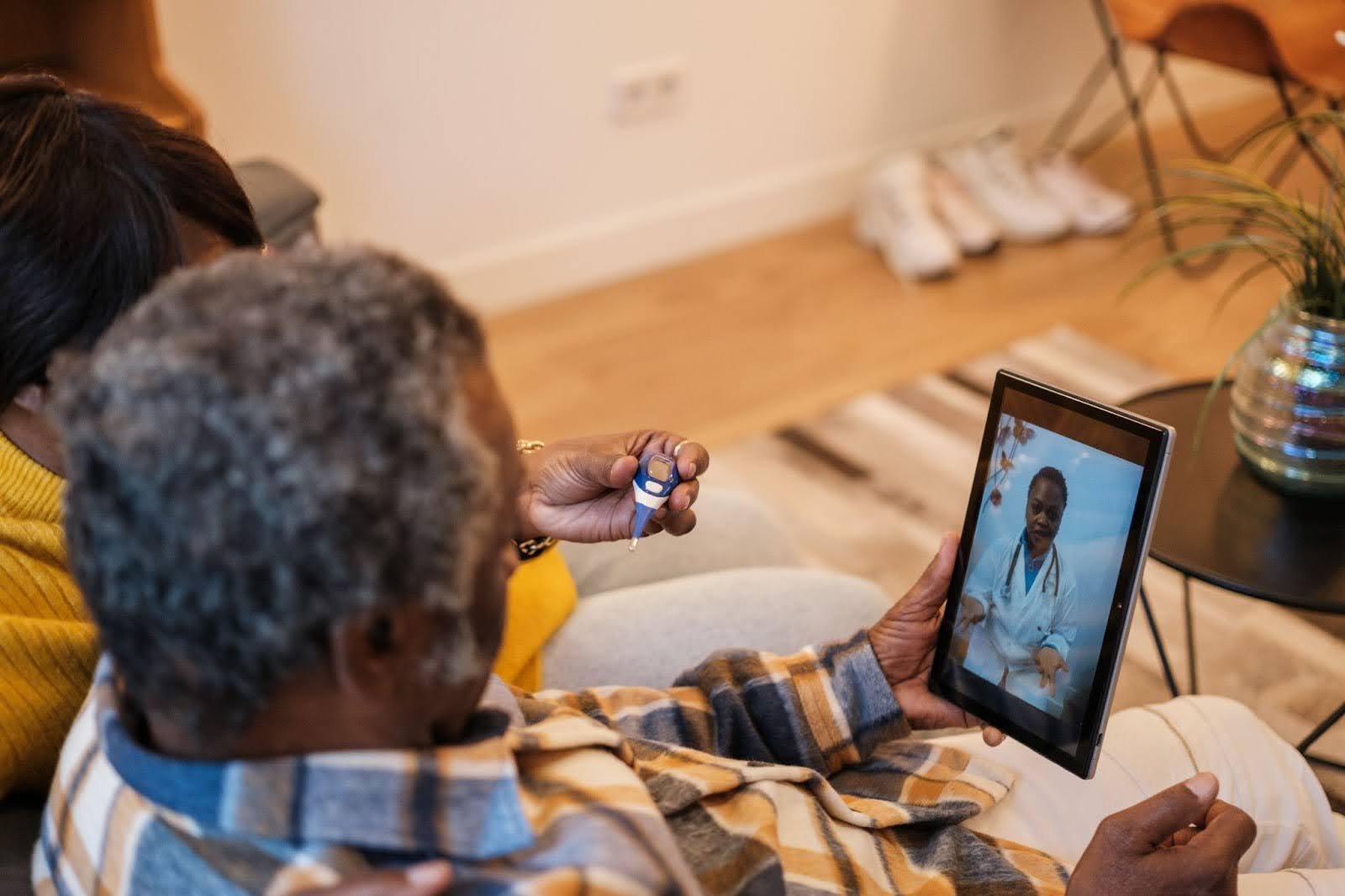
Healthcare organizations operate in one of the most regulated environments. Dedicated Android devices running approved EHR applications eliminate the compliance friction that consumer devices create. Clinicians access patient records instantly while maintaining end-to-end encryption and audit logging.
Use cases: Clinical documentation, EMR/EHR patient record retrieval, drug/testing order entry, real-time data hub, remote patient monitoring, telehealth, telemedicine, patient information/education, electronic visit verification (EVV), practice management, clinical trials, patient-reported outcome (PRO) collection, patient self-service kiosk, clinic check-in kiosk, medical device gateways, health condition monitoring, and connected wearable readers.
Healthcare providers deploying dedicated devices benefit from specialized mobility solutions designed for clinical environments. Explore healthcare mobility solutions.
Field Services, Logistics & Supply Chain
Field service technicians and logistics professionals require reliable mobile access to critical business applications without the distractions or security risks of consumer devices. Dedicated Android devices prevent accidental data leaks, reduce on-site distractions, and deliver professional brand perception. Whether managing last-mile delivery routes, warehouse operations, or technician dispatching, these purpose-built solutions ensure operational excellence across the entire supply chain.
Organizations deploying field service and logistics mobility solutions gain comprehensive operational visibility and control. Electronic logging devices (ELDs) ensure regulatory compliance while fleet management systems provide real-time insights into vehicle performance and driver behavior. Route optimization applications calculate efficient paths based on traffic conditions and delivery windows, while real-time tracking delivers accurate location data for shipments, vehicles, and field personnel. Mobile scanners facilitate package scanning, equipment tracking, and proof-of-delivery workflows, while inventory management integrations help technicians verify parts availability and streamline warehouse operations from receiving to loading.
Use cases: Electronic logging device (ELD), fleet management, route optimization, navigation & communication, real-time tracking, inventory management, proof-of-delivery workflows, package scanning, warehouse management, equipment tracking, work order management, asset tracking, and compliance recordkeeping.
Learn more about transportation and logistics mobility solutions and how they integrate with enterprise resource planning, warehouse management systems, and field service management platforms.
Hospitality: Front Desk, Housekeeping & Guest Services
Hotels and resorts operate in high-pressure environments where speed and consistency define guest satisfaction. Dedicated Android devices at front desks handle check-in/check-out, while housekeeping stations use them for task management and inspection workflows. Reservations and guest data stay secure, proprietary pricing stays confidential, and operations flow seamlessly.
Use cases: Guest self check-in/out, housekeeping dispatch, front desk transactions, mobile payment system, table-side ordering, self-ordering kiosk, staff communication, mobile guest services, inventory management, digital signatures, room service requests, employee management, managing room bookings, restaurant transactions, in-room entertainment, ticketing/event reservation, restaurant reservation, and loyalty card scanner.
Discover how hospitality mobility solutions can enhance guest satisfaction and operational efficiency.
Frequently Asked Questions About Android Dedicated Devices
Q: How is an Android dedicated device different from a standard Android phone?
A: An Android-dedicated device runs only approved business applications in a locked-down environment, blocking access to personal apps, app stores, and device settings. Unlike standard Android phones with full user control, dedicated devices restrict functionality to specific business tasks, eliminating distractions and security risks.
Q: Are Android-dedicated devices only for retail and frontline workers?
A: No. While common in retail and frontline operations, dedicated Android devices are used across healthcare, hospitality, logistics, field services, warehouses, and manufacturing. Any industry requiring secure, task-focused mobile solutions benefits from dedicated devices.
Q: What’s the typical lifecycle of an Android-dedicated device?
A: The 24–36‑month lifecycle is common due to consumer refresh cycles and standard depreciation models. However, enterprise‑grade Android devices managed by partners like NEXA can be supported for 5+ years.
Q: How do dedicated Android devices support compliance requirements?
A: Dedicated devices enforce compliance through encryption, audit logging, restricted data access, and automatic security updates. They support PCI-DSS for retail payments, and DOT regulations for transportation, with detailed compliance documentation and reporting.
Q: Are Android-dedicated devices secure?
A: Yes. Dedicated Android devices provide enhanced security through restricted app access, controlled updates, encrypted data, and remote management. MDM platforms enable remote wipe, geo-fencing, and instant deprovisioning. Minimal data storage reduces risk if devices are lost or stolen.
Q: How are Android dedicated devices managed at scale?
A: Enterprise MDM platforms manage thousands of devices centrally through automated provisioning, over-the-air updates, remote configuration, and streamlined support. Modern MDM solutions segment devices by role or location, enabling different app configurations for different teams from a single dashboard.
Why NEXA Is Your Enterprise Mobility Partner
NEXA delivers purpose-built enterprise mobility solutions from design through deployment. Our end-to-end approach to dedicated Android devices encompasses:
-
Design and engineering: Custom device configuration tailored to your specific use cases and brand requirements
-
Manufacturing: End-to-end production with strict quality controls and scalability across your fleet
-
Deployment: Configuration and logistics management to ensure devices are field-ready immediately
-
Support: Dedicated support and service for uninterrupted operations and quick issue resolution.
NEXA is an Android Enterprise Gold Partner with proven expertise across retail, healthcare, transportation, logistics, and field services. Our team understands enterprise requirements—from regulatory compliance to complex system integrations that consumer solutions cannot address.
Ready to transform your mobile operations? Schedule a consultation with NEXA to discuss how dedicated Android devices can drive measurable business results across your organization.